Gardeners for Highgate businesses insider tips for hiring
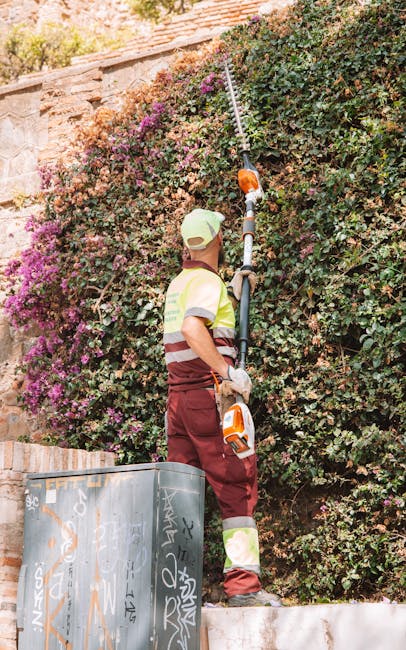
Hiring the right gardener for a Highgate business sounds simple enough, until you start comparing quotes, chasing availability, and trying to work out who actually understands commercial sites. Office courtyards, shopfront beds, shared entrances, and roof terraces all need a different sort of care. That is where Gardeners for Highgate businesses insider tips for hiring become genuinely useful. You are not just buying grass cutting or hedge trimming; you are choosing someone who will protect first impressions, keep outdoor areas safe, and make the place look cared for week after week.
Truth be told, the best hire is not always the cheapest or the quickest to reply. It is the one who asks sensible questions, gives a clear plan, and understands that a business garden has to stay presentable on a Tuesday morning in drizzle, not just on a sunny Friday. This guide walks you through what to look for, what to avoid, and how to make a decision that feels calm rather than rushed.
Why Gardeners for Highgate businesses insider tips for hiring Matters
For a business, outdoor space is part of the brand. A neat forecourt, trimmed hedging, and tidy borders tell customers something before anyone speaks a word. That first impression can be surprisingly powerful. A scruffy entrance can make a place feel neglected, even if everything inside is spotless. A well-kept outside area does the opposite. It says someone pays attention.
Highgate brings its own practical realities too. You are often dealing with narrow access, mixed-use buildings, shared entrances, parking restrictions, and busy footfall. A gardener who is brilliant in a large private garden may still be the wrong fit if they are not used to working quietly and efficiently around business hours. That mismatch is where avoidable headaches start.
There is also the risk side. Commercial sites can involve slippery paths, uneven paving, overgrown branches, waste removal, and occasional urgent jobs after bad weather. If the person you hire has no clear approach to risk, safety, or communication, you will feel it sooner rather than later. And usually on a day you are already busy, naturally.
If you want a wider sense of the services a good provider may offer, it helps to scan the services overview and compare it with the specific needs of your site. That gives you a much cleaner starting point than guessing based on one quote alone.
How Gardeners for Highgate businesses insider tips for hiring Works
The hiring process works best when you treat it like a small procurement decision, not a casual one-off booking. You identify what your site needs, ask for a tailored response, check how they work, and then test whether their approach fits your business rhythm. Simple in theory. A bit messy in practice. Still, manageable.
Most commercial gardening jobs fall into a few patterns:
- Routine upkeep: lawn mowing, edging, hedge trimming, weeding, and general tidying.
- Seasonal work: leaf clearance, planting refreshes, pruning, or preparing beds for the colder months.
- One-off recovery: garden clearance, bringing an overgrown site back under control, or tidying after renovation.
- Project work: landscaping, garden redesign, decking, or structural improvements.
Good hiring usually starts with a site walk or at least a detailed conversation. A decent gardener will ask about access, waste removal, preferred visit times, pet or public access issues, and any parts of the site that need extra care. If they do not ask, you may need to prompt them. Not ideal, but it happens.
For businesses that need both maintenance and more involved work, it can help to compare a maintenance service with something broader like garden maintenance or landscaping. That way, you are matching the service to the job rather than squeezing everything into a generic request.
Key Benefits and Practical Advantages
The obvious benefit is appearance, but the real value goes further than that. A dependable commercial gardener can reduce risk, save your staff time, and stop small problems becoming expensive ones. The difference is often most noticeable after a few months. The place just stays easier to manage.
- Cleaner customer experience: tidy paths, smart planting, and well-cut edges lift the whole site.
- Reduced staff distraction: your team does not need to fuss with weeds, bins of cuttings, or ad hoc tidy-ups.
- Better seasonal control: regular visits help you stay ahead of growth rather than chasing it.
- Less risk of avoidable issues: overhanging branches, blocked drains, and slippery debris are easier to manage early.
- More predictable spending: planned work is usually easier to budget for than repeated emergency callouts.
There is a smaller but very real benefit too: peace of mind. When a contractor turns up when they say they will, leaves the site tidy, and sends clear paperwork, your own day runs better. That is worth more than people admit.
If your site includes lawns, regular mowing tends to be one of the simplest ways to keep everything looking cared for. You can see the sort of support available through lawn mowing services, especially if you need consistent presentation rather than occasional cut-backs.
Who This Is For and When It Makes Sense
This hiring advice is most useful for businesses with outdoor areas that matter to customers, tenants, or staff. That includes offices, retail premises, hospitality sites, managed blocks, schools, clinics, and small commercial properties. If your outside space is visible from the street, people are already judging it. Harsh? Maybe. True? Absolutely.
It also makes sense if your current arrangement feels patchy. Maybe the grounds are only looked at when someone has time. Maybe you are relying on a handyman who can do some of it, but not all of it. Or maybe the last gardener was fine for a while and then became hard to reach. All very common.
Some businesses only need one-off support after a period of neglect. In those cases, a service such as garden clearance can reset the site before you move into a maintenance schedule. Others need a longer-term partner who can manage hedges, lawns, and planting across the year.
This is also for anyone who wants to avoid the awkward situation of hiring too fast. You know the one: the quote arrives, the price looks fine, and suddenly you are hoping for the best. Better to slow down by ten minutes than deal with months of regret. Been there, seen that.
Step-by-Step Guidance
Here is a practical way to hire without overcomplicating it. It works whether you are dealing with a single shop frontage or a larger managed site.
- Define the job clearly. List the outdoor areas, what needs doing, how often it needs doing, and what success looks like. "Make it neat" is too vague. "Mow lawn fortnightly, trim hedges monthly, keep front bed weed-free" is better.
- Walk the site mentally before you call. Think about access gates, bin storage, public areas, fragile planting, and places where water pools after rain.
- Ask for a tailored quote. Use pricing and quotes information if available, but still ask how they would price your exact site. Commercial gardens are rarely one-size-fits-all.
- Check how they handle timing. Do they offer early starts, quiet working windows, or flexible visits around customers and staff? That matters more than people think.
- Ask about equipment and waste removal. A tidy finish is not just about the plants. It is about cuttings, bags, and whether the site is left usable.
- Clarify who does the work. Is it the person quoting, a small team, or subcontractors? You need to know who is actually coming onto the site.
- Review safety and insurance. Ask what protections are in place before anyone starts. A site with visitors or staff needs proper care.
- Start with a trial period if possible. One visit, or one month, tells you a lot. Punctuality, detail, and cleanliness show up quickly.
That whole process does not need to take ages. But it does need to be deliberate. If you skip the basics, you may end up paying twice: once for the work, and again to fix the gaps.
Expert Tips for Better Results
The best commercial gardening relationships are built on clarity. Not drama. Not assumptions. Clarity.
- Be specific about standards. Say what "acceptable" looks like for your site. For example, some businesses want crisp edges and a formal look; others just want clean, safe, and tidy.
- Match service frequency to growth, not habit. A courtyard with shaded beds may need less frequent mowing but more regular weeding. A sunny frontage may be the opposite.
- Ask what happens after bad weather. A windy week can scatter branches and leaves everywhere. A good gardener should have a sensible plan for catch-up work.
- Keep communication simple. One named contact on each side saves a lot of confusion. Email is useful, but a quick call can solve silly little issues fast.
- Think in zones. Front entrance, side access, planting beds, roof terrace, rear yard. Different spaces need different attention.
- Use seasonal planning. Spring and autumn often need more attention than mid-summer maintenance. If you plan ahead, the site looks better with less scramble.
In our experience, businesses often overlook hedging until it suddenly feels intrusive. Then the view from reception is half branches, half sky, and nobody quite knows when it got like that. Services such as hedge trimming help keep that from becoming a recurring problem.
If your site includes more design-led outdoor areas, it can also be worth speaking to someone who understands landscape gardening. That matters when the job is not just upkeep, but shaping the space to work better for people.
Common Mistakes to Avoid
Most hiring mistakes are not dramatic. They are just easy to make when you are busy. And in businesses, everyone is busy, which is exactly the issue.
- Choosing only on price. A cheaper quote can be a false economy if the finish is poor or the contractor disappears mid-season.
- Not checking scope. People often assume hedge cutting, leaf clearing, and waste disposal are included. Sometimes yes, sometimes no.
- Ignoring access constraints. A gardener who turns up with the wrong vehicle or no plan for keys, buzzers, or shared entrances is already behind.
- Forgetting about safety responsibilities. Loose tools, debris, and blocked walkways create problems for staff and visitors.
- Hiring for one job when you need ongoing support. A one-off tidy-up is not the same thing as stable maintenance.
- Not defining expectations in writing. Even a short email summary can prevent a surprising amount of confusion later.
One common trap is assuming all outdoor work is interchangeable. It really is not. A gardener who can handle a neat front border may not be the right person for tree work, and vice versa. If your site has larger trees or overgrown branches, that is a separate discussion and should be treated as such. You can read more about that kind of work through tree lopping and removal.
Another overlooked area is what happens to the waste. Bags of cuttings and soil do not magically vanish. If your provider is not clear about disposal and recycling, ask early. Nobody enjoys discovering a pile of green waste after the team has gone home. Nobody.
Tools, Resources and Recommendations
You do not need a giant toolkit to hire well. What you do need is a few practical aids that help you compare people fairly.
- A site notes sheet: list access points, problem areas, and any sensitive plants or surfaces.
- A simple photo set: a few clear images can save a site visit when you are short on time.
- A maintenance calendar: note mowing, trimming, planting refreshes, and larger seasonal jobs.
- A quote comparison sheet: track what each provider includes, what is excluded, and how often visits happen.
- A service list: use a page like services overview to map your needs to the right service category.
For businesses deciding between maintenance and a broader garden refresh, it may help to compare routine care with specific work such as decking services or more substantial landscaping. The right option depends on whether you are preserving what you have or changing the space.
If your outdoor area is mostly about upkeep, a steady maintenance plan can be more efficient than piecemeal callouts. If the site has become tangled or unusable, beginning with clearance and then moving into maintenance usually makes more sense. Simple, but not always obvious when you are staring at a messy border on a wet Wednesday morning.
It can also help to review a provider's sustainability approach if waste handling matters to your business. The page on recycling and sustainability gives you a sense of how a responsible provider may think about green waste and materials.
Law, Compliance, Standards, or Best Practice
For businesses, the main issue is not quoting legal minutiae; it is making sure the work is carried out responsibly and safely. A good gardener should be able to explain their approach to insurance, risk awareness, and safe working practices without making it a mystery tour.
In practical terms, you should expect:
- Public-facing safety awareness: paths, entrances, and shared areas should stay clear during work.
- Suitable insurance cover: especially where tools, vehicles, or access around visitors is involved.
- Care with waste and materials: clippings, packaging, and cut branches should be handled properly.
- Respect for site rules: keys, alarms, delivery windows, and building access requirements matter.
- Clear boundaries on hazardous work: larger tree work or structural changes should be treated separately and only tackled by people appropriately set up for it.
You can use the website's insurance and safety information and health and safety policy as part of your own checks. That is not about being awkward. It is about protecting staff, visitors, and your own business from avoidable problems.
It is also sensible to make sure contractual basics are clear: payment terms, cancellation expectations, complaint handling, and what happens if the weather delays work. Pages such as payment and security, terms and conditions, and complaints procedure are useful to review before you commit.
One small but important point: if you are commissioning regular work on a business site, ask how they handle privacy and data when exchanging contact details or site access notes. The same applies to basic website and enquiry privacy considerations, which are usually explained in a provider's privacy policy. Sensible housekeeping, really.
Options, Methods, and Comparison Table
Different businesses need different hiring models. There is no single right answer, which is annoying in one way and helpful in another. At least it means you can choose what fits.
| Hiring method | Best for | Pros | Watch-outs |
|---|---|---|---|
| One-off gardener | Overgrown sites, seasonal reset, post-renovation tidy-ups | Fast turnaround, useful for recovery jobs, lower commitment | Not ideal for consistency; may not know the site long-term |
| Regular maintenance contractor | Businesses needing dependable presentation every week or month | Predictable, easier planning, better continuity | Requires clear scope and scheduling discipline |
| Project-led landscaper | Redesigns, planting changes, new layout work, decking or hardscape changes | Better for transformation work and design thinking | Not always the cheapest route for routine care |
| Mixed approach | Sites that need both upkeep and occasional bigger interventions | Flexible, practical, can work well for growing businesses | Needs good communication so nothing gets missed |
For many Highgate businesses, the mixed approach is the most realistic. You may need weekly lawn or border care, then a separate clearance or upgrade job later in the year. That is where a provider with a broader service range can be useful. A quick look at garden clearance and garden maintenance will usually show whether they can support both ends of the spectrum.
Case Study or Real-World Example
Here is a realistic example from the kind of situation many businesses face. A small professional practice had a front planted area that looked fine in spring, then became a bit wild by late summer. Staff had been trimming it themselves, which worked for a while, but not well enough. The entrance still felt tired, and visitors noticed.
Instead of asking for a vague tidy-up, they listed the actual issues: weeds in the border, uneven hedge height, patchy lawn edges, and leaf build-up near the path. They asked for a quote based on those specifics, then agreed a simple maintenance routine after the first visit. Nothing fancy. Just clear expectations.
The useful bit was not the gardening itself, though that mattered. It was the change in process. The team stopped guessing, the outside area stopped drifting out of shape, and reception no longer opened the door to a messy first impression on Monday mornings. A small thing, maybe. But small things are what people remember.
That same business later added a light landscaping update to improve the entrance layout, so walking in felt less cramped. The upgrade was not huge, but it made the whole site feel calmer and more intentional. That is the kind of outcome you want from a good hire: practical, tidy, and quietly effective.
Practical Checklist
Use this before you hire. It is simple, but it catches the usual slip-ups.
- Have I defined exactly what needs doing?
- Do I know whether this is one-off work, regular maintenance, or both?
- Have I checked how the gardener handles access, timing, and site restrictions?
- Do I understand what is included in the quote?
- Have I asked about waste removal and site clean-up?
- Have I reviewed safety, insurance, and working practices?
- Have I confirmed who will actually do the work?
- Have I asked how they handle seasonal changes or weather delays?
- Have I compared at least two options in a fair way?
- Have I put key expectations in writing?
Expert summary: the right hire is usually the gardener who understands your site, communicates clearly, and treats reliability as part of the service, not an extra.
That really is the heart of it. Good gardening for businesses is about trust, timing, and the ability to keep the place looking cared for without turning every visit into a project.
Get a free quote today and see how much you can save.
Conclusion
Hiring gardeners for a Highgate business is easier when you know what good looks like. Look for clarity, consistency, site awareness, and a practical approach to safety and presentation. Try not to let a quick quote distract you from the details that matter later. Those details are usually the difference between a neat, dependable service and one you end up managing too closely yourself.
If you are weighing up routine care, seasonal work, or a larger refresh, take a moment to map the job properly and speak to a provider who can match the scope. A little care at the start saves a lot of faff later. And honestly, that is the nicest kind of business decision: the one that quietly makes life easier.
When the outside space is in good hands, everything feels a bit more settled. Even on a grey London morning, that counts for something.
Frequently Asked Questions
What should I ask before hiring a gardener for my business?
Ask about the exact scope of work, visit frequency, access requirements, waste removal, insurance, and who will actually attend the site. You want clear answers, not vague reassurances.
Is a one-off gardener enough for a business site?
Sometimes, yes. A one-off gardener is useful for clearance, catch-up work, or seasonal tidying. If the site needs to stay presentable all year, regular maintenance is usually the better option.
How do I compare gardening quotes properly?
Compare more than price. Look at what is included, how often visits happen, whether waste is removed, how communication works, and whether the quote reflects the actual site conditions.
Do business gardeners need to understand health and safety?
Yes, they should. Commercial sites often have staff, customers, visitors, or shared access points. Safety awareness matters because a tidy site is not enough if the work creates hazards.
What if my garden has become heavily overgrown?
Start with a clearance job rather than maintenance alone. Once the site is back under control, it is much easier to move to a regular upkeep schedule and keep it there.
How often should a business garden be maintained?
That depends on the site, the planting, and how visible it is. Some need weekly attention, others monthly. Growth rate, footfall, and presentation standards all shape the schedule.
Should I use the same provider for landscaping and maintenance?
Often that works well, especially if you want continuity. A provider who understands the design and the upkeep can make better long-term decisions for the space.
What is the difference between landscaping and garden maintenance?
Maintenance is about keeping the space tidy and healthy. Landscaping is more about changing, improving, or reshaping the space. They overlap a bit, but they are not the same thing.
How can I tell if a gardener is reliable?
Look at how quickly they respond, whether they ask sensible questions, how clearly they explain their quote, and whether they keep to agreed times. Reliability tends to show early.
Is it worth asking about insurance before hiring?
Absolutely. For a business site, insurance is part of basic due diligence. It helps protect everyone involved if something goes wrong during the work.
Can a gardener also handle hedge trimming and lawn mowing?
Yes, many can. It is worth checking that both are part of their regular service offer and that they have the right equipment and timing to keep those areas under control.
What is the smartest first step if I do not know where to start?
Make a short list of what the site needs right now, what needs doing regularly, and what can wait. Then speak to a provider and ask for a quote that reflects those priorities. Simple first step, big difference later.