Recycling and Sustainability at Gardeners Highgate
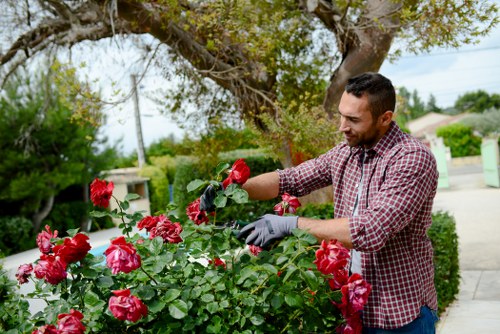 Gardeners Highgate is committed to building an eco-friendly waste disposal area and a resilient, sustainable rubbish gardening area that serves plants, people and the planet. Our approach brings together practical on-site sorting, partnerships across the neighbourhood and a target-driven plan so that green waste becomes a resource rather than a disposal problem. We believe well-managed garden waste is a cornerstone of urban biodiversity and low-carbon neighbourhoods.
Our Recycling Percentage Target
We have set an ambitious recycling target: a 65% household and site recycling rate by 2028, with a specific goal of diverting 90% of green and woody waste from landfill into composting, chipping or reuse streams. This recycling percentage target is designed to drive measurable action: smarter separation at the source, improved on-site facilities for an eco waste disposal zone and regular reporting. The target is iterative, and we will raise the bar as infrastructure improves.
 To reach these goals we focus on three practical pillars: source separation, community reuse and low-carbon logistics. Our on-site bins and bays are labelled for food, mixed dry recyclable materials and garden waste in line with the boroughs' approach to waste separation, helping volunteers and contractors follow the same rules used across Camden and Haringey. Clear labelling reduces contamination and raises recovery rates.
Local Transfer Stations and Material Flows
We coordinate regular collections to local transfer stations that specialise in organic processing and materials recovery. By routing green trimmings, leaf litter and woodchip to nearby municipal or community composting facilities we shorten haul distances and speed up turnaround to useful compost and mulch. Short journeys equal fewer emissions, and our routing plans prioritise borough-supported transfer stations to align with municipal processing capacity.
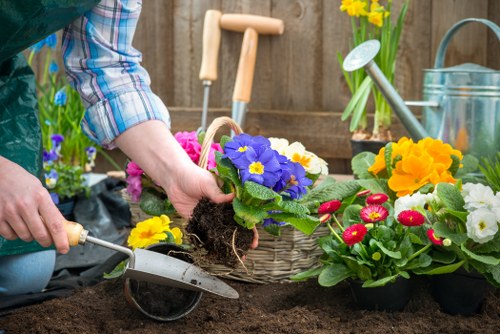 Our material flows are designed to be circular: woody waste is chipped for paths and mulch; soft green waste is composted for raised beds; and inert materials that cannot be composted are separated and sent to appropriate recycling streams. This mix of reuse and recycling means our sustainable rubbish gardening area functions as an on-site resource centre for soil health and plant resilience.
We also maintain a simple, local map of approved transfer stations and verified processors. This helps contractors and volunteers choose the right destination for each waste type and supports transparency in the chain of custody for garden-derived materials.
Partnerships with Charities and Community Groups
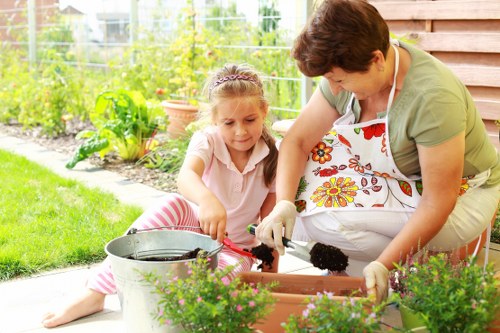 Collaboration is essential. Gardeners Highgate works with local charities and social enterprises to maximise reuse: community gardens, food-growing projects and reuse charities accept usable containers, tools and plantable soil. These partnerships keep items in circulation and support local social value by redirecting surplus materials to groups that teach composting, horticulture and sustainable gardening skills. Partnering with charities also creates volunteer pathways and educational workshops that reinforce separation practices.
 Our alliances include small-scale social enterprises that specialise in furniture, pot and tool repair, and community groups that run seed swaps and plant-sharing schemes. To complement this we organise periodic transfer days where residents and volunteers can drop off sorted garden waste and reusable items. These events pair practical recycling with community engagement and help us meet our recycling percentage target.
Operationally, we track outcomes: tonnes diverted, compost produced and items redistributed. These metrics feed back into continuous improvement so the eco waste disposal area becomes ever more efficient and the sustainable rubbish garden area increasingly self-sufficient.
Low-Carbon Vans and Sustainable Logistics
Transport is a major factor in emissions for garden waste operations. We therefore deploy a fleet of low-carbon vans — increasingly electric and hybrid vehicles — to collect materials. Using low-emission vehicles for shorter runs to local transfer stations reduces particulate pollution and noise in residential streets. By prioritising low-carbon vehicles we lower the carbon intensity of every collection.
Route planning and load consolidation further reduce vehicle miles. Our scheduling aims to combine small loads from neighbouring sites into single trips, cutting fuel use and improving air quality. All contractors are asked to adopt efficient driving practices and, where possible, to transition to electric vehicles supported by municipal charging infrastructure.
We also implement on-site compaction and segregation to minimise the number of trips required. Simple measures—like covering loads to avoid debris loss and wetting down dust—help maintain cleanliness and reduce complaints. These operational improvements are part of our broader sustainable rubbish disposal ethos.
How Residents and Volunteers Can Help
Everyone can contribute to creating a thriving green waste economy at Gardeners Highgate. Recommended actions include:
- Separate waste at source into food, garden, paper/card and mixed recyclables in accordance with borough guidance.
- Use designated bins and labelled bays within our eco-friendly waste disposal area to reduce contamination.
- Donate reusable pots and tools to partner charities instead of discarding them.
Small behavioural changes add up: proper separation increases the value of recycled materials, reduces processing costs and supports the circular economy that underpins our sustainable rubbish gardening area.
Gardeners Highgate remains dedicated to transparent progress. We will publish periodic updates on recycling rates, diversion tonnages and the environmental benefits achieved through low-carbon logistics and charity partnerships until our 65% target is met and surpassed.

