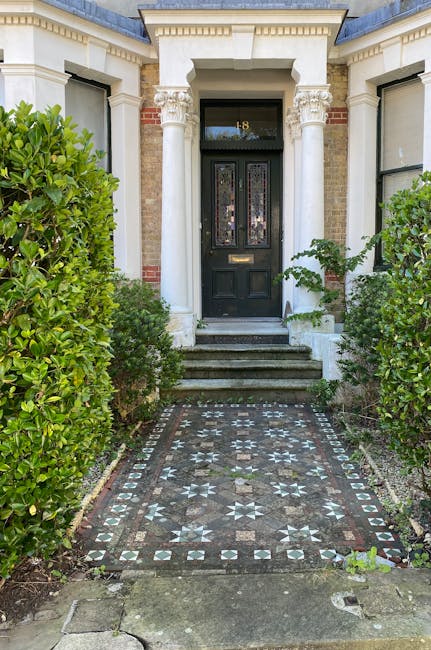
Highgate Village N6 gardeners small front garden guide
If you have a compact front garden in Highgate Village, you already know the challenge: it needs to look welcoming, stay tidy, and not eat up your whole weekend. A small space can be surprisingly demanding. One untidy shrub, a patchy strip of lawn, or a narrow bed packed with the wrong plants and suddenly the whole frontage feels cramped rather than charming.
This Highgate Village N6 gardeners small front garden guide is here to make that easier. We will look at what works best in smaller front gardens, how local gardeners usually approach the job, where people go wrong, and how to get a result that feels polished without turning the garden into a maintenance headache. To be fair, that is the real aim for most front gardens anyway: attractive first, practical second, high-maintenance never.
Whether you are refreshing a tired entrance, planning a full redesign, or just trying to make a modest space feel cleaner and more thoughtful, you will find practical steps here. And yes, there is plenty you can do without overcomplicating it.
Table of Contents
- Why a small front garden guide matters in Highgate Village N6
- How the process works in a small front garden
- Key benefits and practical advantages
- Who this is for and when it makes sense
- Step-by-step guidance for planning and improving the space
- Expert tips for better results
- Common mistakes to avoid
- Tools, resources and recommendations
- Law, compliance, standards and best practice
- Options, methods and comparison table
- Case study or real-world example
- Practical checklist
- Conclusion
- Frequently asked questions
Why Highgate Village N6 gardeners small front garden guide Matters
Front gardens do more than decorate a house. In a place like Highgate Village, where street character matters and properties often sit close to the pavement, the front garden is part of the home's first impression. A small front space needs to do a lot with very little room. It has to feel neat, frame the property well, and still be easy to maintain through the seasons.
That is why a focused approach matters. Small front gardens are not just "mini versions" of larger gardens. They behave differently. There is less room for error, every plant is visible, and a cluttered layout shows immediately. One oversized shrub can dominate the whole frontage. A poorly placed bin store can make the entrance feel awkward. Even the wrong paving colour can make the whole area feel heavier than it should.
In practical terms, a good front-garden plan can improve:
- Kerb appeal and property presentation
- Daily convenience, especially near entrances and paths
- Plant health, because the right plants are in the right places
- Maintenance time, which is often the real deciding factor
- Drainage and cleanliness, particularly where foot traffic is frequent
There is also a psychological side to it. When you arrive home and the front garden looks cared for, it changes how the whole house feels. A small patch of well-kept greenery, some seasonal colour, and a tidy path can make even a modest frontage feel calm rather than cramped. Funny how such a small area can set the tone for everything behind the door.
How Highgate Village N6 gardeners small front garden guide Works
The best way to improve a small front garden is to treat it as a design-and-maintenance problem at the same time. That sounds a bit formal, but it keeps you from making the common mistake of choosing plants before solving the layout. In our experience, the order matters.
First, you assess the site. That means light levels, drainage, exposure, pavement width, how people enter the house, and how much time you actually have for upkeep. A shady north-facing frontage needs a very different planting mix from a sunny one. A narrow strip beside steps needs something that stays compact. A front garden with limited soil depth may need raised beds, containers, or sturdier, shallow-rooted planting.
Then you define the role of the space. Is it mainly decorative? Does it need screening? Do you want a low-fuss welcome area with seasonal planting? Or is the goal to create a neater, safer approach to the front door? There is no single right answer. But there is always a better answer once you know what the garden is for.
After that comes the layout. Small front gardens usually benefit from clear lines and restrained planting. Think in layers: hard landscaping, structure, and planting. Keep the structure simple, then let the plants do the softening. If the front garden is very tiny, a little restraint goes a long way. Overfilling it can make it feel smaller, which is not ideal when you are already short on space.
Finally, you work out the maintenance rhythm. A front garden should not become a second job. Most homeowners want a garden that looks intentional with light, regular care. That may mean fortnightly tidying in the growing season, seasonal pruning, and occasional soil refresh or replanting. If you want an even lower-fuss setup, choose evergreen structure and reliable perennials rather than high-turnover bedding.
Key Benefits and Practical Advantages
A well-planned small front garden gives you more than visual appeal. The benefits stack up quickly, especially in a busy residential area where space is precious and first impressions matter.
1. Better use of limited space
Small gardens reward precision. A thoughtful layout creates breathing room, makes access easier, and stops the space feeling crowded. You do not need many elements. You need the right ones.
2. Lower upkeep over time
It is tempting to fill every gap with plants, but that usually backfires. A simpler design with well-chosen shrubs, groundcover, and a few seasonal highlights is usually easier to keep tidy. Less weeding, less trimming, fewer regrets.
3. A cleaner, more welcoming entrance
Front gardens are seen every day. That means the little things matter: clean edging, tidy pots, controlled growth, and a path that is easy to move along. A well-kept entrance can make a house feel cared for before anyone even steps inside.
4. Stronger seasonal interest
Good planning lets you enjoy interest across the year. In spring it might be bulbs and fresh foliage. In summer, compact flowering plants. In autumn and winter, structure and evergreen shape. That balance matters in the UK, where bare patches in winter can look particularly stark.
5. Better value from professional gardening work
If you hire local gardeners, a small front garden is often a smart place to start because the work can be targeted and visible. You can often improve the whole look of the property with focused changes rather than a large-scale project. For broader service support, some homeowners begin by looking through the available gardening services to see what kind of help fits the space.
Expert summary: In a compact front garden, success usually comes from restraint, structure and regular upkeep rather than cramming in more plants. Simpler is often better. Not always, but usually.
Who This Is For and When It Makes Sense
This guide is useful if you own, rent, manage, or simply care about a small front garden in Highgate Village or the wider N6 area. It is especially relevant if your space has one or more of these issues:
- The front garden looks overgrown or patchy
- You want to improve kerb appeal before selling or letting
- You do not have time for intensive garden care
- The layout feels awkward or cluttered
- The garden is shaded, narrow, sloped, or hard to access
- You want more privacy without making the frontage look closed in
It also makes sense if you are deciding between a few different levels of help. Maybe you are happy to do the light work yourself but want guidance on layout. Or perhaps you know the garden needs a proper reset and you would rather not spend weekends wrestling with roots, turf and pruning shears.
A small front garden is often the kind of space people leave too long. Then one day they stand at the front gate, look at the mess, and realise it needs more than a quick tidy. That is usually the point where a clear plan starts saving time, not creating more work.
Step-by-Step Guidance
If you want a better front garden without making it overcomplicated, work through the space in stages. A methodical approach is calmer and, frankly, less expensive to undo later.
Step 1: Start with a clean assessment
Walk the garden slowly and look at what is actually there. Not what you wish was there. Note sunlight, drainage, wind exposure, soil condition, and the shapes that already exist. A tiny front garden can hide a lot of practical issues under the surface, especially if it has compacted soil or neglected borders.
Step 2: Decide what must stay
Some features are worth keeping. A good path, a healthy evergreen, a sturdy boundary wall, or a mature shrub with shape may all have value. Remove the idea that everything needs replacing. It often does not.
Step 3: Clear the clutter
Take out weeds, broken pots, dead growth, and anything that blocks movement or sightlines. If the space has become crowded with random containers, this is usually the moment where the garden starts breathing again. Light immediately helps. A surprising amount, actually.
Step 4: Fix the hard edges
In small front gardens, edging and paths matter a lot. Straightening a border, repairing a step, or freshening the path can make the whole frontage look more intentional. Small areas rely on clean geometry. A slightly wonky edge is more noticeable here than in a larger garden.
Step 5: Choose the planting style
Decide whether the look should be formal, relaxed, evergreen, cottage-style, or a blend. Then stick to it. Mixed messages in a small garden can feel messy. For example, tall feathery grasses, rigid topiary, and cottage roses can work together if carefully handled, but not if they are all fighting for attention in a tiny patch.
Step 6: Select plants for scale and season
Use plants that stay in proportion to the space. Compact shrubs, low mounds, structured evergreens, and a few seasonal flowering plants are usually safer choices than aggressive growers. If privacy is part of the brief, taller containers or screening plants can help. You can explore ideas for that in the blog post on tall potted plants to enhance outdoor privacy, which is useful if your front garden needs a bit more subtle cover.
Step 7: Build in simple maintenance
Plan how the space will be kept tidy. Are the beds easy to reach? Can you edge the border without awkward stretching? Will deadheading or clipping be simple? Small gardens work best when the maintenance route is obvious. If it feels awkward to look after, it usually will not stay neat for long.
Step 8: Finish with details that sharpen the look
This is where the garden becomes properly finished rather than merely planted. Fresh mulch, a couple of well-sized pots, crisp edging, and one or two focal points can make a huge difference. You do not need a show garden. You need a tidy, lived-in, attractive frontage that holds up on a wet Tuesday morning as well as on a sunny Saturday.
Expert Tips for Better Results
There are plenty of ways to improve a small front garden, but a few principles consistently give better results.
- Use repetition. Repeating a plant or pot style makes a small space feel calmer.
- Limit the palette. Two or three main foliage colours usually look more refined than a jumble of unrelated shades.
- Think in height layers. Low groundcover, mid-height structure, and one slightly taller accent is often enough.
- Leave space for access. A beautiful border is no help if it blocks bins, gates or the front path.
- Choose good foliage first. Flowers are lovely, but leaf shape and structure carry the design for more of the year.
- Plan for winter. In small front gardens, winter bare patches can be very obvious, so evergreen structure matters.
One practical tip many people overlook: sit or stand where the front door is visible from the street, then look back at the garden. What do you notice first? Too much happening in one corner? A sagging hedge? A path that dominates the whole plot? That simple viewpoint can reveal the weak spot quickly.
Also, do not underestimate the power of proportion. A big pot in a tiny garden is not automatically a mistake, but it needs to earn its place. Otherwise it becomes garden furniture for no reason. A bit dramatic, but true.
Common Mistakes to Avoid
Small front gardens are unforgiving in a way larger gardens are not. The wrong decision is visible fast. Here are the mistakes we see most often.
Overplanting
The most common problem. People try to make a small garden feel full, and it becomes cramped instead. Leave space between plants and allow room for growth.
Using oversized species
Plants that are perfectly lovely in a larger border can overwhelm a small frontage. Check mature size, not just the pot size in the nursery. This one trips people up all the time.
Ignoring maintenance access
If you cannot reach the back of the border or trim the hedge without leaning over a path, the design is too awkward. Small gardens should make upkeep easier, not harder.
Choosing too many finishes
Different paving tones, mixed edging styles, several pot colours and a variety of fixtures can make a tiny space look busy. Simplicity usually wins.
Leaving the soil tired
Old, compacted or nutrient-poor soil can make even good plants struggle. If the bed looks weak year after year, the issue may be below the surface, not with the plants themselves.
Forgetting the front of the house
The garden and house read as one visual frame. If the planting is neat but the wall, step, gate or path is tired, the whole effect drops. Small spaces are all about the complete picture.
Tools, Resources and Recommendations
You do not need an enormous kit to manage a small front garden well. In fact, a modest set of reliable tools often works better than a garage full of things you rarely use.
- Bypass secateurs for clean pruning on smaller stems
- Hand trowel for planting and small soil jobs
- Border fork for loosening compacted soil
- Spade or edging tool for tidying borders and path lines
- Gloves with a good grip for awkward pruning or weeding
- Watering can or hose with a gentle setting for new planting
- Mulch or bark to help suppress weeds and keep moisture in
- Simple plant labels or notes if you are trying several varieties
If you are not sure where to begin with a larger tidy-up, a general maintenance visit can be a sensible starting point. From there, you can decide whether the garden needs selective improvements, a reset, or ongoing care. Some homeowners also look at garden maintenance services when the goal is simply to keep a small space looking sharp through the year.
For more substantial changes, such as reshaping the front garden, adding structure or reworking levels, it can help to review broader options like landscape gardening or landscaping. Those pages are especially useful if the front garden is no longer just in need of tidying, but proper redesign.
If you are comparing the practical side of hiring help, it is also sensible to check pricing and quotes so you understand how work is usually scoped. A clear quote saves awkwardness later. Nobody enjoys guessing games with garden jobs.
Law, Compliance, Standards, or Best Practice
Front gardens in residential streets usually do not involve heavy regulation, but there are still sensible boundaries to follow. If you are altering shared access, boundary features, trees, or drainage, it is worth being careful and, where needed, checking responsibilities before work starts.
Best practice usually includes the following:
- Do not obstruct pavements, paths, entrances or sightlines
- Be considerate with pruning near boundaries and neighbouring properties
- Make sure any work is safe for contractors and residents
- Treat trees with extra care, especially if they are protected or large enough to affect surrounding structures
- Avoid causing runoff, debris or waste issues for neighbours
Where tree work is involved, specialist advice is sensible. If your small front garden includes a mature specimen or anything that feels beyond basic pruning, look at tree lopping and removal only with proper judgment and caution. Not every tree problem needs removal, by the way. Sometimes it needs shaping, reduction, or a better long-term plan.
It is also wise to work with companies that take safety seriously. A straightforward way to assess that is to look for clear information on insurance and safety and the health and safety policy. These may sound dry, but they matter when tools, ladders, hard surfaces and moving debris are involved.
For gardeners and clients alike, recycling green waste responsibly is a sensible norm. If sustainability matters to you, have a look at recycling and sustainability. Even small front-garden jobs produce waste, and it is good practice to keep disposal thoughtful rather than careless.
Options, Methods, and Comparison Table
There is more than one way to improve a small front garden. The best choice depends on budget, time, and how much change you want.
| Approach | Best for | Pros | Watch-outs |
|---|---|---|---|
| Light tidy-up | Gardens that are mostly fine but messy | Quick, affordable, immediate improvement | May not solve deeper planting or layout issues |
| Selective refresh | Spaces with a few weak elements | Balanced cost, better structure, less disruption | Needs a clear plan to avoid patchy results |
| Full redesign | Very tired, awkward or outdated front gardens | Best for long-term improvement and stronger kerb appeal | Higher cost and more planning involved |
| Ongoing maintenance plan | Owners who want a tidy look all year | Reliable presentation, fewer surprises | Requires regular visits or personal upkeep |
For most small front gardens, the sweet spot is often somewhere between a selective refresh and a regular maintenance plan. A full redesign is not always needed, though sometimes it is the smartest route if the space is badly laid out. The trick is not to overspend just because a garden feels frustrating. Sometimes a few well-chosen changes do most of the work.
Case Study or Real-World Example
Picture a typical small front garden in N6: a narrow rectangle with a short path, one tired hedge, a couple of containers, and soil that has become patchy from years of foot traffic and weather. Nothing dramatic. Just a bit tired, a bit cluttered, and not doing the house justice.
The first step was to clear the excess. Out came the broken pot, the self-seeded weeds, and the hedge growth that had started to swallow the edge of the path. Once the clutter was gone, the space looked larger immediately. That always happens, and it still feels slightly magical.
Next came a simpler structure: cleaner edging, a more compact planting scheme, and a couple of evergreen forms to hold the shape through winter. Seasonal colour was added in a restrained way rather than all at once. The result was not flashy. It was calm, neat and intentional. Much better.
The biggest change was not any single plant. It was the decision to stop trying to make the garden do too much. Once the layout was clearer, the plants looked better, the maintenance became lighter, and the entrance felt genuinely welcoming. That is usually how good small front gardens work: quietly, without making a song and dance about it.
Practical Checklist
Use this checklist before you start, or before you ask for help with the garden.
- Check how much sunlight the front garden gets across the day
- Note any drainage issues, soggy patches or hard, compacted soil
- Measure the area so plant sizes stay realistic
- Decide whether you want formal, relaxed, evergreen or seasonal planting
- Remove dead material, weeds and unused clutter
- Inspect paths, steps, edging and boundary features
- Choose plants that suit the space at maturity, not just when young
- Make sure access to the front door stays clear
- Plan how often the space will be trimmed, watered and tidied
- Think about winter appearance as well as summer colour
- Check whether any tree or boundary work needs extra care
- Decide if you need one-off help or ongoing maintenance
If you can tick most of those boxes, you are already ahead of the game. If not, no drama. That just means there is a clearer path forward.
Conclusion
A small front garden in Highgate Village does not need to be complicated to be effective. In fact, the best results usually come from keeping things simple, choosing plants and materials with care, and making maintenance feel manageable rather than endless. That is really the heart of this Highgate Village N6 gardeners small front garden guide: create a front space that works in everyday life, not just in a photo.
Think in terms of proportion, access, structure and upkeep. Get those right and the rest becomes much easier. Even a modest frontage can feel polished, welcoming and quietly elegant. And if it is a bit imperfect now, that is fine. Most gardens are. The good ones are built step by step.
Get a free quote today and see how much you can save.
Sometimes the smallest garden changes are the ones you notice every day on the way in and out. That is no small thing.
Frequently Asked Questions
What should I do first in a small front garden?
Start with a clean assessment. Remove clutter, check the soil, note the light conditions, and look at what needs to stay. It is much easier to design around a clear space than a crowded one.
Which plants work best in a compact front garden?
Compact shrubs, evergreen structure plants, low groundcover and restrained seasonal colour usually work well. The key is choosing plants that stay within scale as they mature. Mature size matters more than label size.
How do I make a small front garden look bigger?
Use simple lines, repetition, lighter colours, and less visual clutter. Avoid overfilling borders. A clear path and a few well-placed focal points can create more breathing room than lots of small items.
Is a lawn a good idea in a small front garden?
Sometimes, but not always. In very small spaces, lawn can feel fussy and underused. Many homeowners prefer planting, paving, or a mixed layout that is easier to maintain and looks better through the year.
How often should a small front garden be maintained?
That depends on the planting, but many front gardens benefit from light attention every one to two weeks during the growing season. A little regular care usually prevents bigger jobs later.
Can I get privacy in a small front garden without making it look closed off?
Yes. Taller potted plants, layered planting and carefully placed shrubs can soften views without blocking the frontage. The trick is to screen selectively rather than build a green wall across the whole space.
Do I need a full redesign, or just a tidy-up?
If the layout is sound and the plants are mostly fine, a tidy-up and selective refresh may be enough. If the space feels cramped, awkward or outdated, a redesign is probably the better long-term move.
What are the biggest mistakes people make with front gardens?
Overplanting, using plants that grow too large, ignoring access, and mixing too many styles are the big ones. In small gardens, too much of anything tends to look messy quickly.
How important is soil quality in a small front garden?
Very important. Poor or compacted soil can make planting struggle, even if everything else is well planned. If the bed has looked tired for years, the soil may need improvement before anything else.
Are hard landscaping changes worth it in a small front garden?
Often, yes. Better edging, a cleaner path or improved steps can transform the look of a compact frontage. Small hard-landscaping changes can have an outsized effect, which is handy in tight spaces.
Should I use containers or planted borders?
Both can work. Containers offer flexibility and are great where soil is poor or space is very tight. Planted borders usually feel more settled and can be lower maintenance if the layout is right. A mix often works best.
How do I choose between maintenance and redesign services?
If the garden already has good bones, maintenance may be enough. If the layout is poor or the planting is fighting the space, a redesign is more sensible. Think of maintenance as keeping a good structure going, and redesign as fixing the structure itself.